THE FIRST COLLECTION·Preorders planned for October 10, 2026Explore the sets
USD $
PATTERN NOTES
The drawing, the glaze, the company it keeps.
A closer look at the six designs: what repeats, what changes, and how we like to put them together.
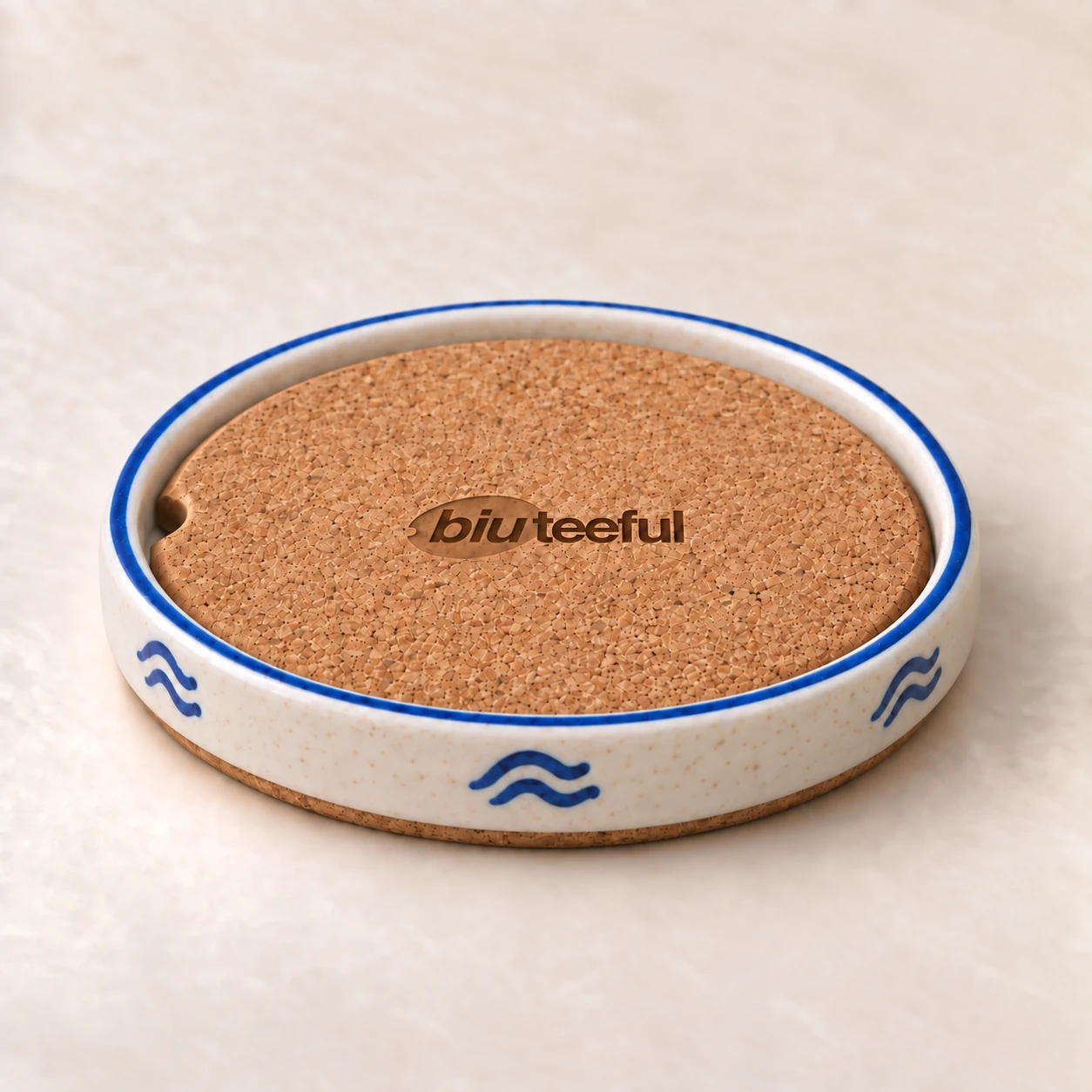
Ivory glaze · indigo waves
01 / TIDE
The first wave.
Paired blue waves repeat around the wall. A narrow indigo line follows the upper rim, tying the pattern together when viewed from above.
Tide is the starting point for the collection. We wanted the familiar warmth of speckled ivory ceramic, with enough blue to notice from across a table. The waves are small, but they go all the way round; there is no front to arrange. It works as a matching pair, or beside Moss in the mixed set of two.
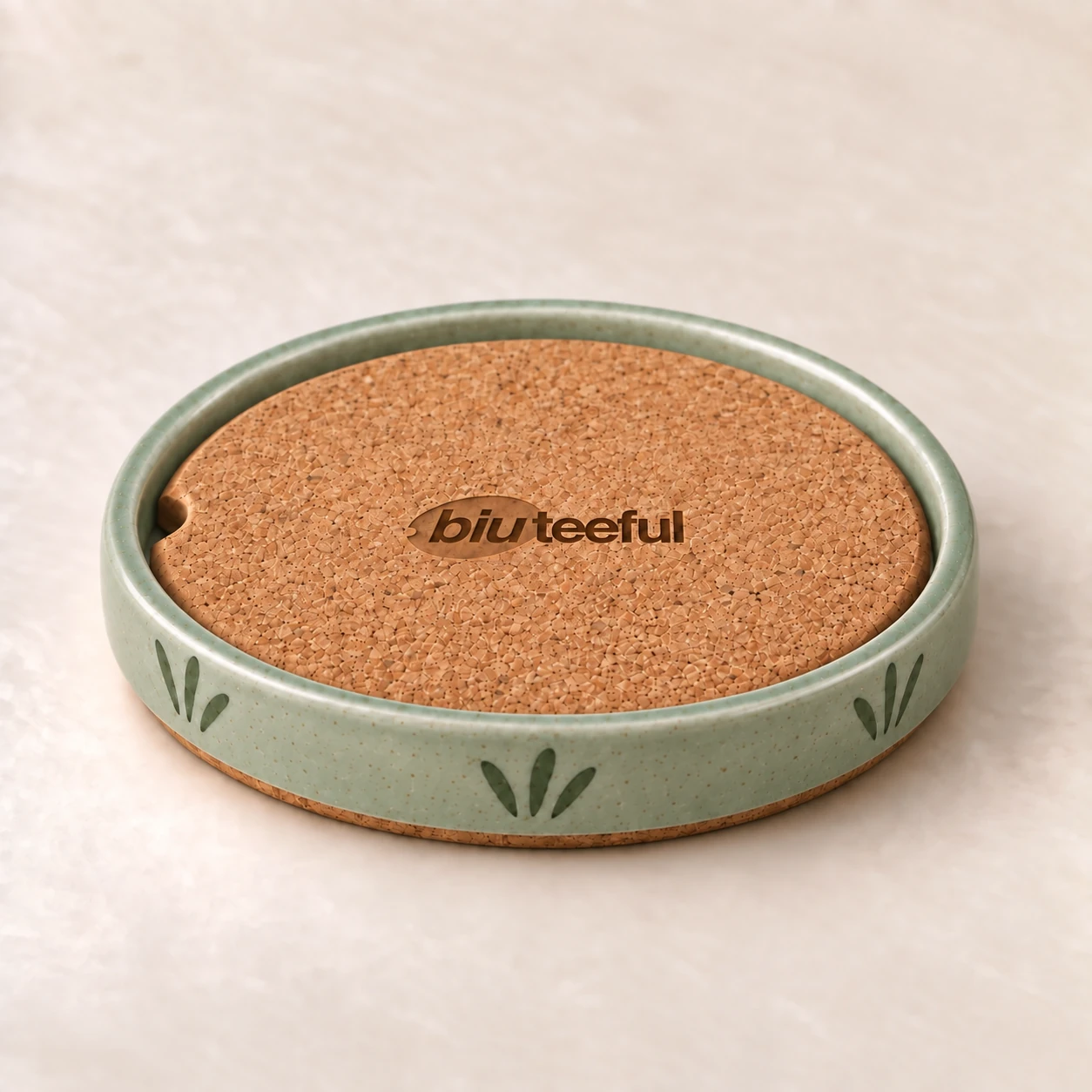
Three tapered reed strokes form each dark green motif. The clusters sit low on the celadon wall, leaving the upper edge clear.
Moss takes its colour from the soft greens found in glazed ceramics. The reed marks give it some movement without filling the surface. Up close, the speckles matter as much as the drawing. It is an easy companion to Tide and Sand, especially on a table that already has a little wood or greenery.
ON THE TABLE
Pairs with: pale timber, stoneware and a kitchen windowsill.
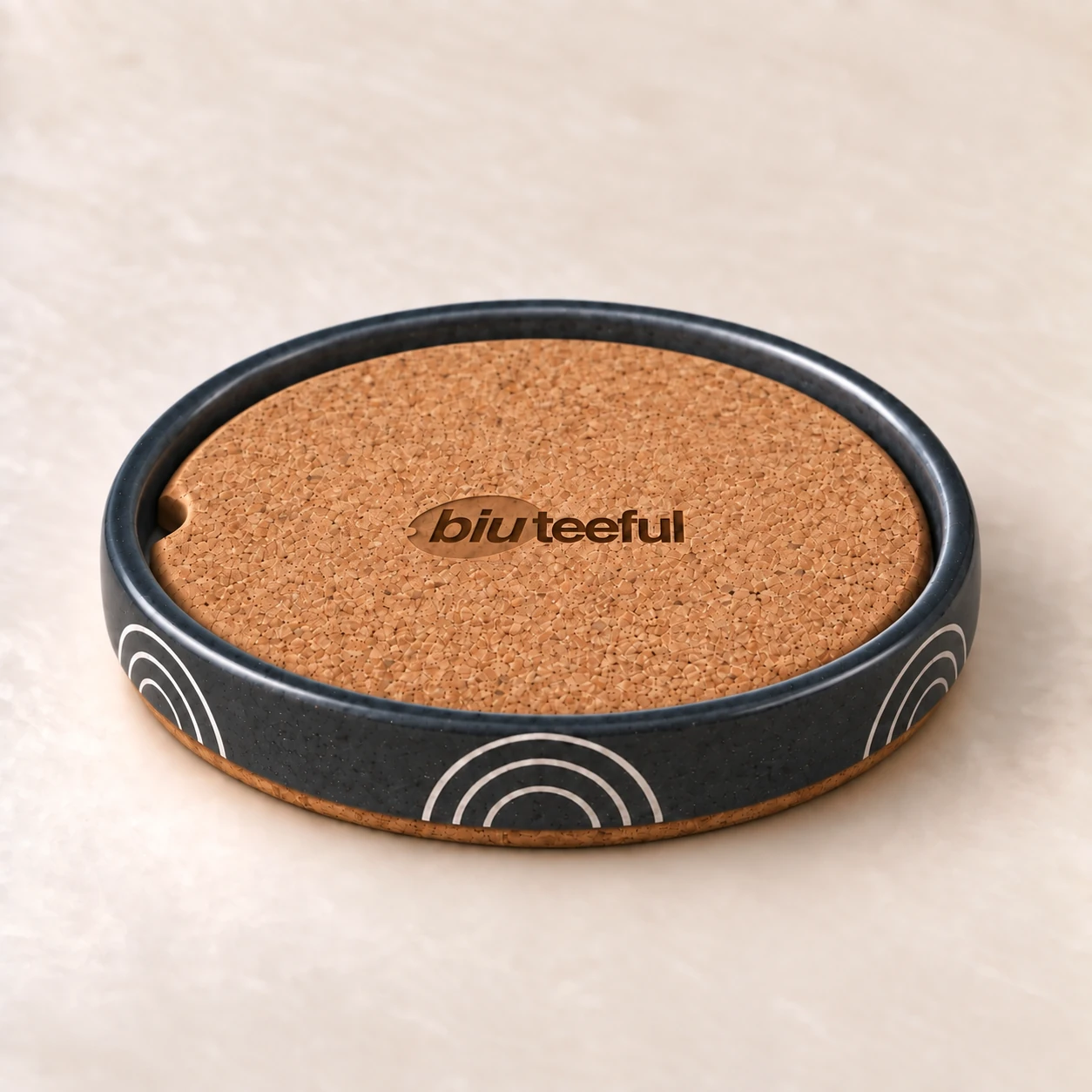
Three fine ivory arcs repeat around a charcoal ground. Their open ends meet the lower edge, so the pattern seems to continue beyond the ceramic.
Sumi is the darkest neutral in the collection. The arches keep it from feeling too severe, and the cork adds warmth to the centre. We like how the pattern changes with the angle: clear from the side, almost absent from above. Choose it for a whole set or use it to break up lighter colours.
ON THE TABLE
Pairs with: walnut, smoked glass and a black coffee cup.
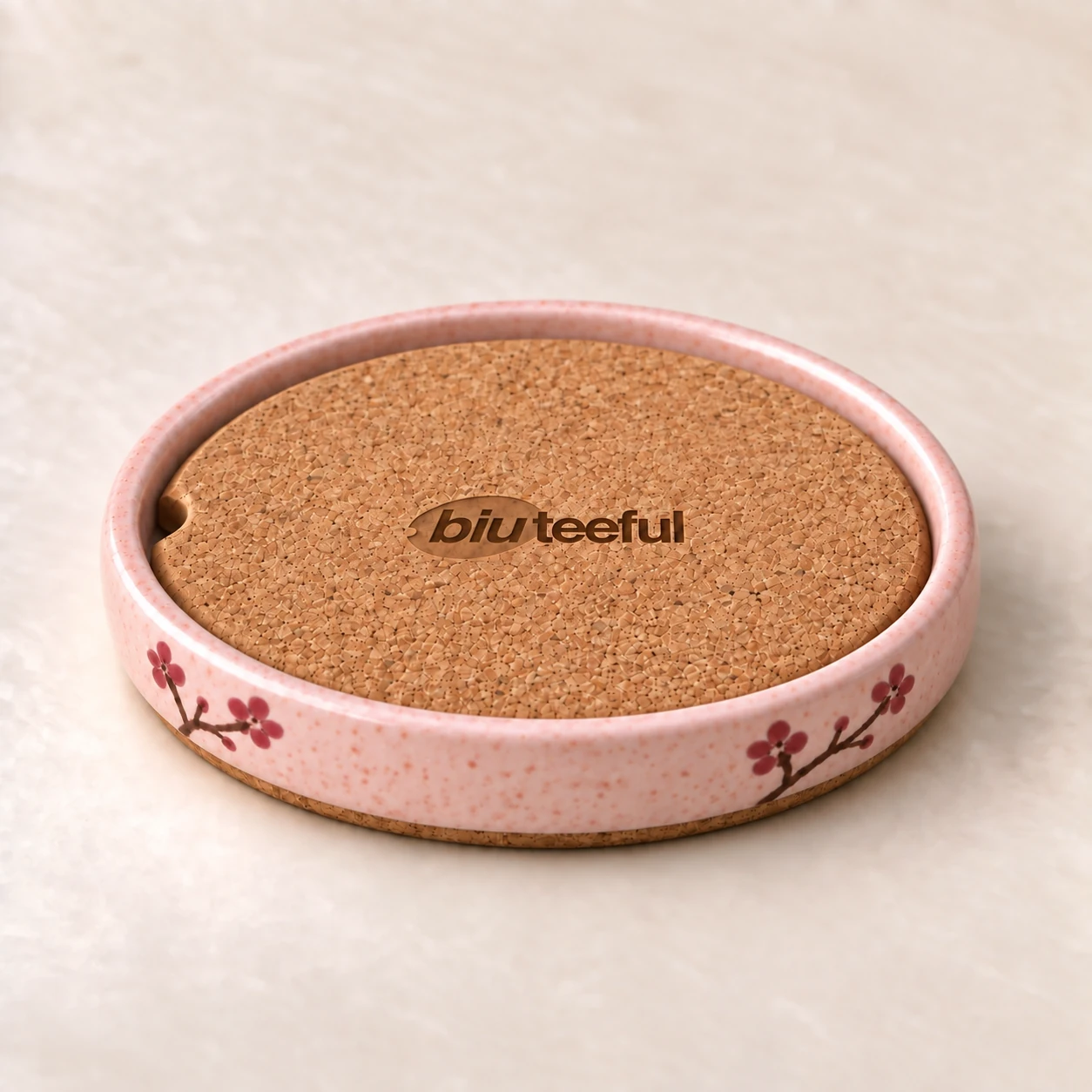
Small flowering twigs repeat around the blush wall. The branches lean in different directions, with space between each cluster.
Petal brings the only flower motif into the collection. The drawing is kept in one dark colour, so it reads as a branch rather than a busy floral print. The pink is muted enough to sit beside ivory or charcoal. In the mixed set of four, it adds a warmer note between Tide, Moss and Sand.
ON THE TABLE
Pairs with: a linen tablecloth, porcelain and tea for two.
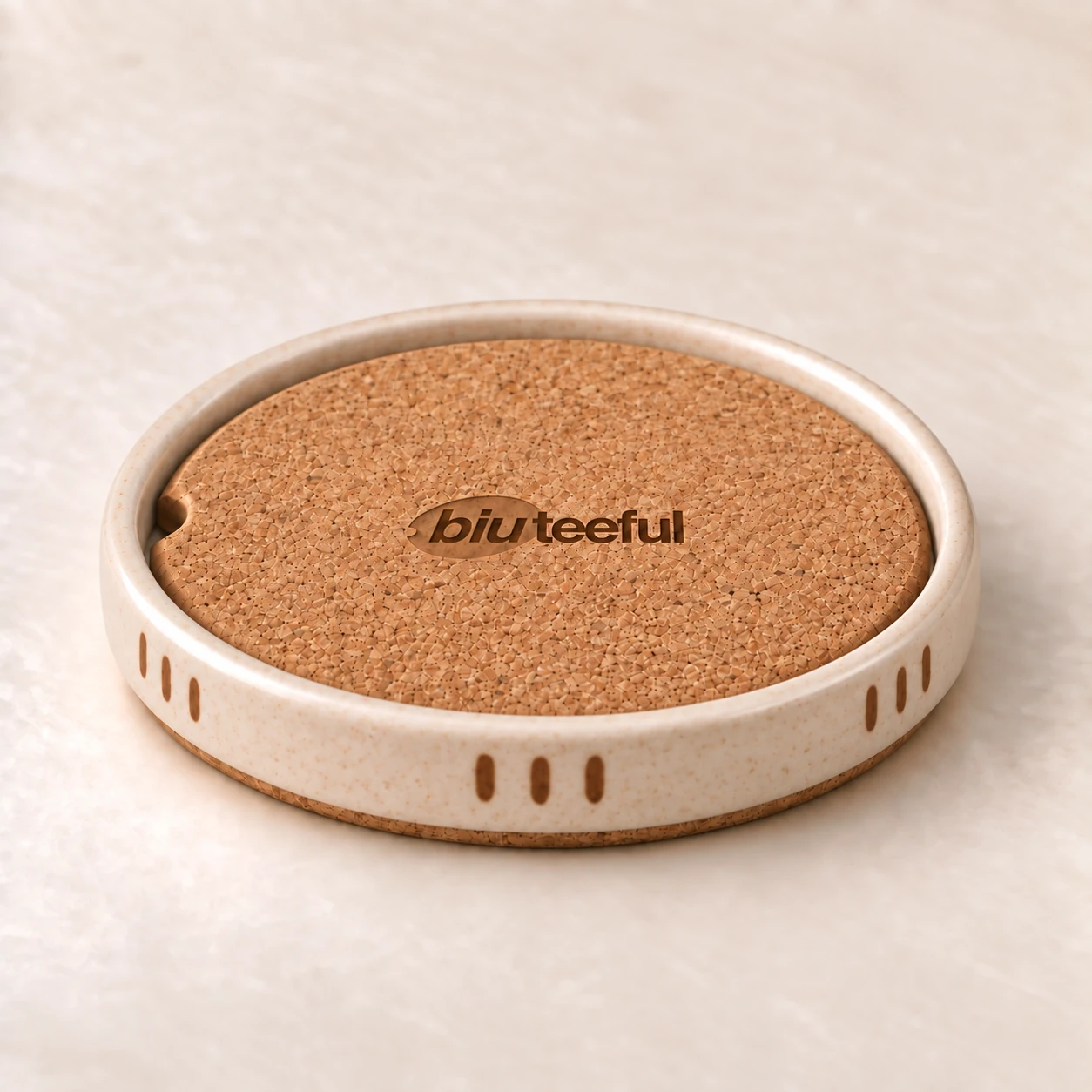
Groups of three vertical dashes sit on an iron-speckled cream glaze. Their slight changes in length keep the repeat from looking rigid.
Sand stays close to the colour of the cork. That makes the two materials feel related while their textures remain distinct: smooth glazed ceramic around a grainy, matte centre. The little brown dashes are there to be found, not to take over the table. It is the most neutral way into the collection.
ON THE TABLE
Pairs with: natural linen, warm stone and everyday glassware.
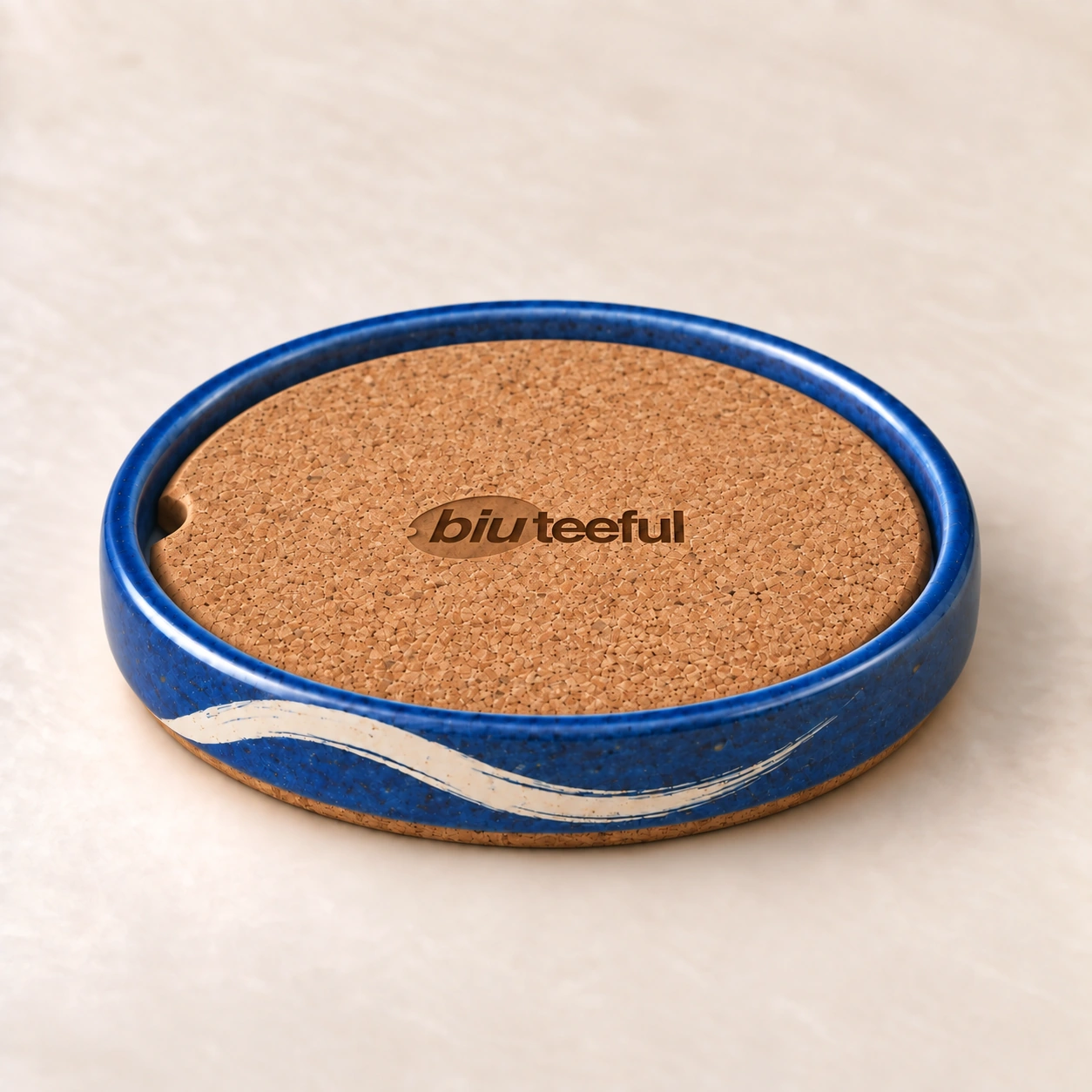
A broad ivory stroke travels around the full wall. Its edge thins and breaks like a brush running out of paint, against a mottled blue glaze.
Cobalt gives the collection its strongest colour. The long stroke replaces the small repeated motifs of the other five designs, making this one feel different from every side. The glazed blue rim frames the cork when seen from above. It can carry a table on its own; one in a mixed set is enough to change the mood.
ON THE TABLE
Pairs with: white ceramics, dark timber and a clear water glass.